
How exactly does DTF technology work?
The acronym DTF stands for Direct to Film. Unlike traditional methods where ink is applied directly to the fabric, DTF printing takes a slight detour, but one that brings enormous benefits.
The process takes place in three simple steps:
- First, your graphic design (including the white base) is digitally printed onto a special thin PET film.
- A special adhesive powder is applied to the wet ink, which is then melted in a curing oven.
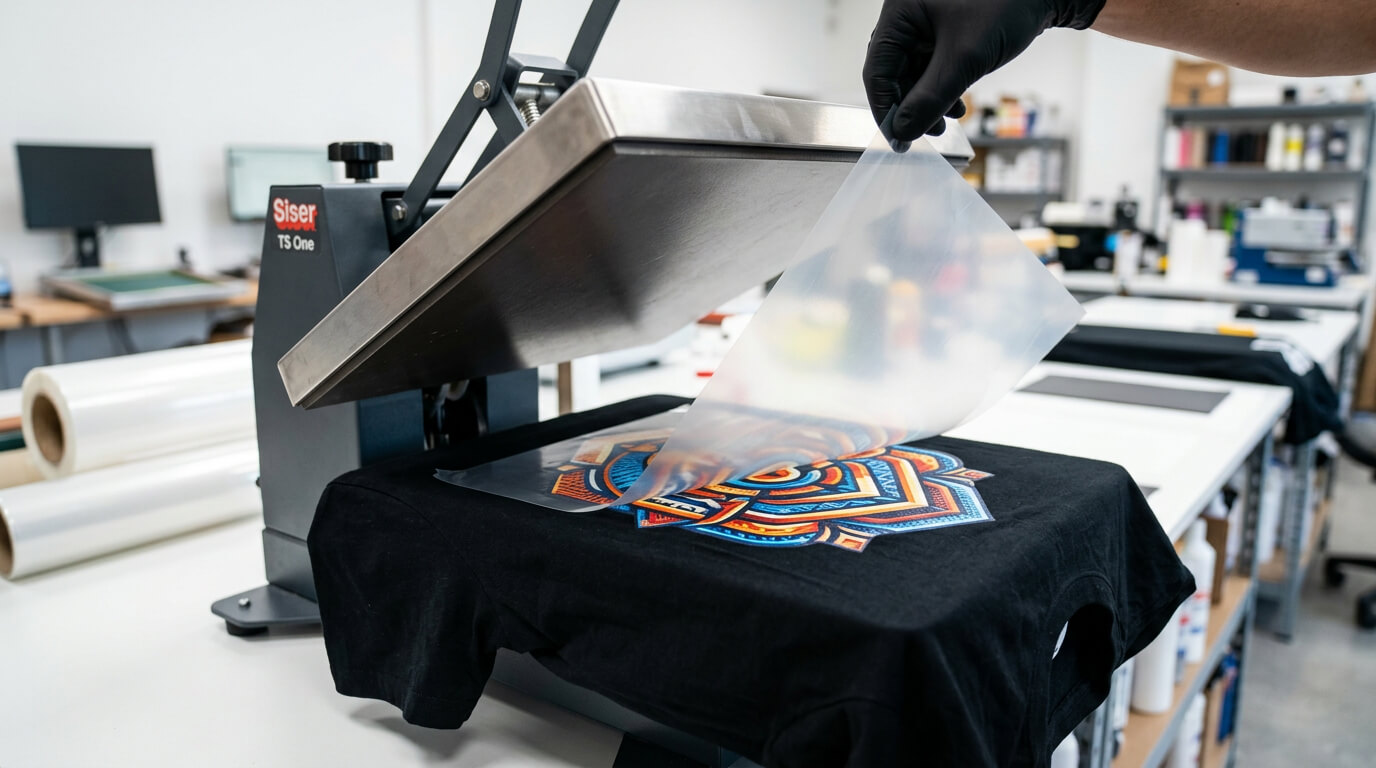
- The film is placed on the textile, and using a heat press (high temperature and pressure), the motif is permanently transferred into the fabric fibers.
Thanks to this method, at TAEDA, we can produce high-quality custom printed textiles that meet even the most demanding requirements of modern marketing.
Main advantages of DTF printing for your promotional campaigns
Why should you specifically request DTF when ordering corporate apparel? This technology solves many historical problems associated with printing:
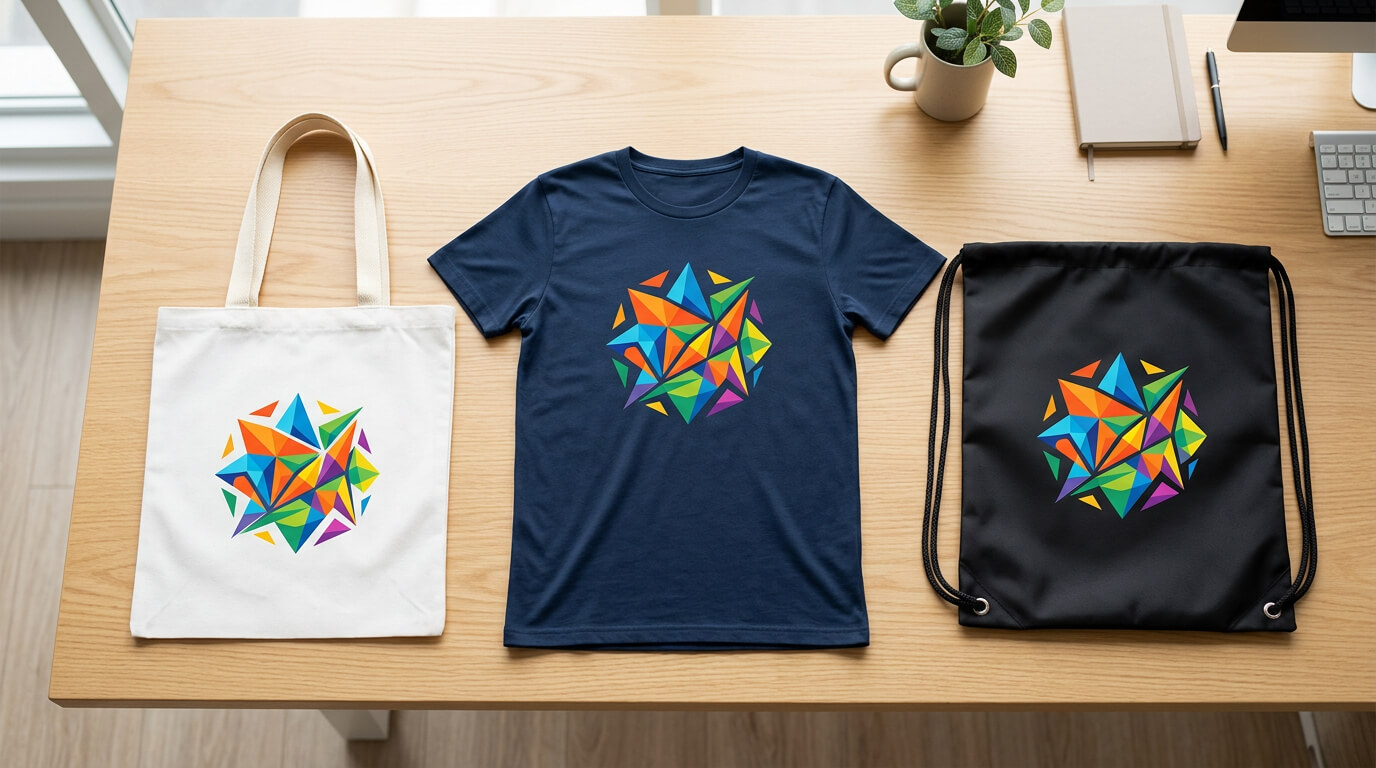
- Material versatility: While other technologies struggle to switch between cotton and synthetic fibers, DTF works perfectly on anything. Whether it's cotton custom t-shirts, polyester drawstring bags, or nylon jackets.
- Vibrant colors even on dark textiles: Thanks to the layer of white ink that forms the base, your corporate colors will stand out perfectly even on a black or dark blue background.
- High precision of details: Do you need to print a complex crest, photograph, or logo with tiny text and color gradients? Digital DTF printing can handle photorealistic quality.
- Cost-effectiveness: There is no need for complex prepress preparation (like making screens for screen printing). It is therefore ideal for small to medium batches of promotional gifts.
When to choose DTF and when to prefer Screen Printing or Sublimation?
Every printing method has its place. We recommend Screen printing to customers ordering thousands of t-shirts with a simple (e.g., single-color) logo – for mass volumes, its price is unbeatable. Screen printing is also more breathable.
Sublimation is the king for full-color printing on sports, 100% polyester jerseys because the ink absorbs directly into the fiber and cannot be felt at all. However, it cannot handle dark backgrounds.
DTF printing is the absolute all-rounder. It is the clear choice for color-complex logos, smaller batches, and situations where you want to print one design on various types of materials (from t-shirts to backpacks and caps).
Want corporate apparel that truly stands out?
At TAEDA, we have our own production and technologies for printing promotional textiles. Furthermore, we offer you 30 minutes of our graphic designer's work completely free – we will help you prepare the data so that the result from the DTF printer looks perfect. Fill out a non-binding inquiry and we will propose the best printing solution for your project.
Frequently Asked Questions (FAQ)
How durable is the DTF print?
Prints created with DTF technology are extremely resistant to cracking and peeling. They can withstand dozens of washing cycles without losing their color saturation. We recommend washing inside out at temperatures up to 40 °C.
Can I order a DTF print from just 1 piece?
Yes, one of the biggest advantages of digital DTF printing is the absence of complex print preparation. We can easily produce personalized gifts and textiles even in small batches or even from a single piece.
Does the DTF print feel hard to the touch?
Modern DTF films and powders are very fine. Although the print forms a continuous layer on the fabric (which you can lightly feel), it is very flexible, thin, and stretches along with the fabric, so it does not hinder comfortable wear.