
Tips for Choosing Promotional Products
Choosing the right promotional products isn't just about making items look good with your logo. It's a strategic decision that affects your marketing ROI, brand perception, and customer loyalty. In this section, you'll find expert tips on how to select promotional products that actually work – from understanding your target audience to choosing the right printing technology and measuring campaign effectiveness. Whether you're preparing a trade show giveaway for hundreds of visitors or a VIP gift for key clients, we'll help you decide. Also check out our complete range of promotional products for inspiration.
Our tips are based on 15 years of industry experience and feedback from thousands of companies we've supplied with promotional products. We focus on practical advice you can implement immediately – from calculating campaign budgets to selecting products by industry and timing gift distribution throughout the year. Each tip includes specific examples and recommended products from our assortment. You'll learn how to avoid the most common mistakes (such as excessive logo placement or poor material quality) and maximize the impact of every dollar invested in promotion.
If you're unsure about your selection, we offer a free consultation with our promotional products specialist. Together we'll review your goals, budget, and target audience and propose the optimal solution. We have experience with all types of campaigns – from startup events with budgets of €2,000 to year-round programs for large corporations. For regular clients, we prepare seasonal recommendations and early access to new products matching trends in their industry.



Product sorting
List of products
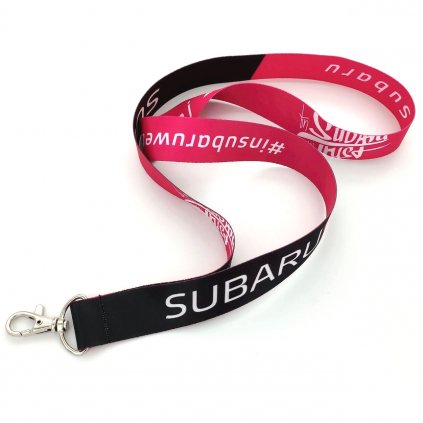
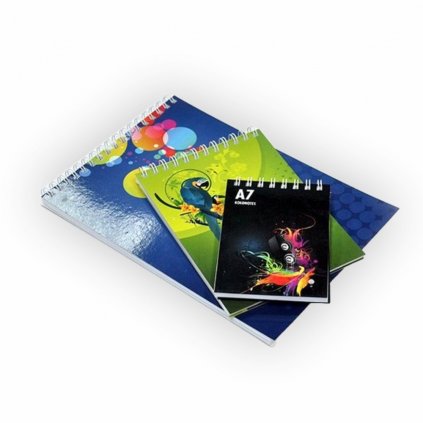


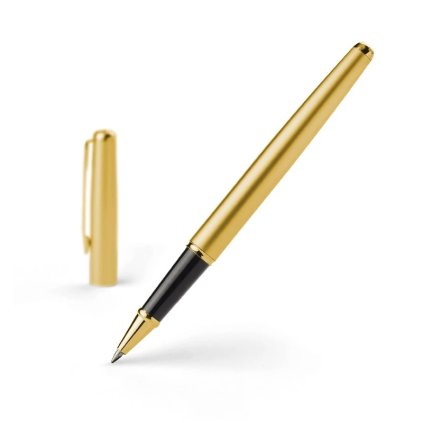
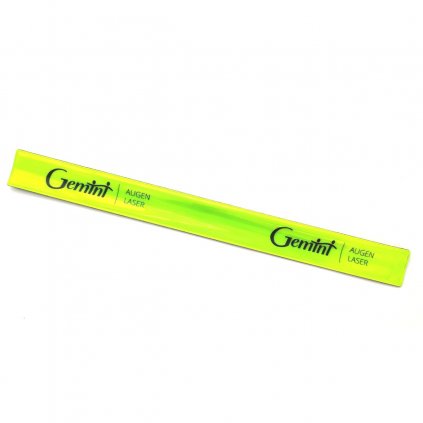

Understanding Your Target Audience
The first step to successfully choosing promotional products is thorough target audience analysis. Don't make the mistake of buying "universal" gifts just because they suit everyone. Segment your audience by age, gender, profession, interests, and lifestyle. For example, IT specialists appreciate tech gadgets like wireless mice or USB-C hubs, while construction companies will benefit more from practical tools like multifunctional flashlights or work vests. Healthcare personnel are ideal candidates for antibacterial products or wellness accessories.
A good tool is creating a "buyer persona" – a fictional representative of your target group with specific characteristics. Ask: Where does this person work? What do they do in their free time? What are their values? For instance, a young mother will appreciate a practical thermal lunch bag, while a senior manager prefers a luxury leather portfolio. Don't forget the context of use – if targeting people working from home, offer ergonomic pads or desk organizers. Explore our range of printed textiles for different demographic groups.
Budget and Campaign ROI
Setting the right budget is key to campaign success. Basic rule: for untargeted distribution (trade shows, events) count on €1.5-5 per piece, for targeted B2B gifts €10-50 per piece, and for VIP gifts €50+ per piece. Measuring ROI is possible through unique QR codes, discount coupons, or campaign-specific landing pages. For example, if you invest €2,500 in 500 power banks and acquire 10 new clients with an average value of €1,000, your ROI is 400%.
Don't forget to factor in hidden costs – shipping, storage, packaging, or personalization. We recommend allocating 10-15% of budget for graphic services and data preparation. At TAEDA, however, we provide free file optimization covering 30 minutes per order, saving you up to €75. For larger campaigns, we offer package discounts and the option to split deliveries over several months for better cash flow management.
Timing: When to Distribute Promotional Products
Proper timing can double campaign effectiveness. Seasonal calendar for 2025: January-February (New Year gifts, diaries, calendars), March-April (spring events, Easter eggs with logo), May-June (outdoor products before summer, trade shows), July-August (beach accessories, festival merch), September-October (back-to-school, autumn trade shows), November-December (Christmas gifts, advent calendars). Remember to order at least 6 weeks before planned distribution.
For B2B segment, ideal timing is around collaboration anniversaries, closing large contracts, or onboarding new employees. Surprise gifts "without occasion" can be even more effective – they show you're thinking of the client outside usual holidays. For events like conferences, prepare "early bird" variants for first visitors and premium pieces for VIP guests. Check out our new products for seasonal inspiration.
Quality vs. Quantity
One quality gift at €25 often has greater impact than five low-quality ones at €5. Material quality directly affects how long the item will be used and thus how long your logo remains visible. Cheap plastic pens end up in trash within a week, while a metal pen with a pleasant writing mechanism lasts years. Same applies to textiles – a poor-quality cotton shirt deforms after first wash, premium organic tee withstands dozens of wash cycles.
When evaluating quality, check: material (metal > plastic, organic cotton > polyester), workmanship (strong seams, quality zipper), functionality (does pen write smoothly? does thermal mug hold temperature?), certifications (CE, RoHS for electronics, Oeko-Tex for textiles). Always request a physical sample before ordering large quantities. At TAEDA, we offer samples at 1 piece + shipping cost, which we deduct from your subsequent order.
Industry-Specific Tips
Each industry has specific needs. IT & Technology: Power banks, USB-C accessories, wireless mice, cable organizers, tech gadgets. Construction & Manufacturing: Work vests with reflective elements, multifunctional tools, LED flashlights, thermoses, work gloves. Healthcare: Antibacterial pens, sanitizing gels with logo, medical aids, wellness products. Finance & Insurance: Premium leather portfolios, luxury pens, desk clocks, executive gifts.
Retail & E-commerce: Shopping bags, discount vouchers in designer packages, product sample bundles. Education: Writing supplies, flash drives, school backpacks, notebooks. Gastronomy: Aprons, kitchen utensils, wine bottles, cheese boards. Sports & Fitness: Water bottles, fitness towels, resistance bands, smart bracelets. For each industry, we have prepared packages – contact us for a personalized offer. Find more products in promotional electronics for tech industries.
Promotional Products Tips FAQ
How many promotional products should I order?
Depends on event type. For trade shows, count on 1.5-2× expected number of booth visitors (people take for colleagues). For targeted B2B distribution, exact number of clients + 10% reserve suffices. For seasonal campaigns, analyze data from previous years. Minimum order quantity (MOQ) for most products ranges between 50-100 pieces.
How large should the logo be on promotional products?
Less is more. Logo should be readable but not dominant. Ideal size is 3-5 cm per side for small items (pens, keychains) and 8-12 cm for larger ones (bags, textiles). For luxury gifts, prefer subtle placement – e.g., small logo on polo shirt chest or engraving on power bank bottom. Today's trend is "low-key branding".
What's the best printing technology?
Depends on material and quantity. Screen printing is most durable for textiles (500+ pcs). Pad printing is ideal for curved surfaces (pens, mugs). DTG (direct-to-garment) is suitable for small runs with full-color designs. Laser engraving is a premium solution for metal and wood – not visually but haptically noticeable. UV printing enables printing on almost anything including glass and ceramics.
Can I use promotional products instead of traditional advertising?
Absolutely! Studies show 79% of people remember a brand on a promotional product they received in the last 2 years. That's much more than online banners (about 20-30%). Promotional products also have longer "shelf life" – average promotional item is used 6-12 months vs. ads that disappear after campaign ends. ROI can be up to 500% higher than traditional marketing.
How to make promotional products eco-friendly?
Choose products from sustainable materials – bamboo, cork, recycled plastic (rPET), organic cotton, wheat straw. FSC certification for paper, GOTS for textiles, and Fair Trade for ethical production. Prefer local manufacturing (less CO2 in transport). Offer practical gifts people actually use and replace disposable alternatives (metal straws vs. plastic, cloth bags vs. plastic bags).
Can I combine multiple types of promotional products?
Definitely! "Product bundling" increases perceived gift value. Popular combinations: Water bottle + fitness towel, notebook + quality pen, power bank + USB cable in case, thermal mug + quality coffee bag. Bundles can be packed in branded boxes or bags for premium impression. For corporate onboarding sets, we recommend 3-5 products in unified design (textiles + electronics + writing supplies).


